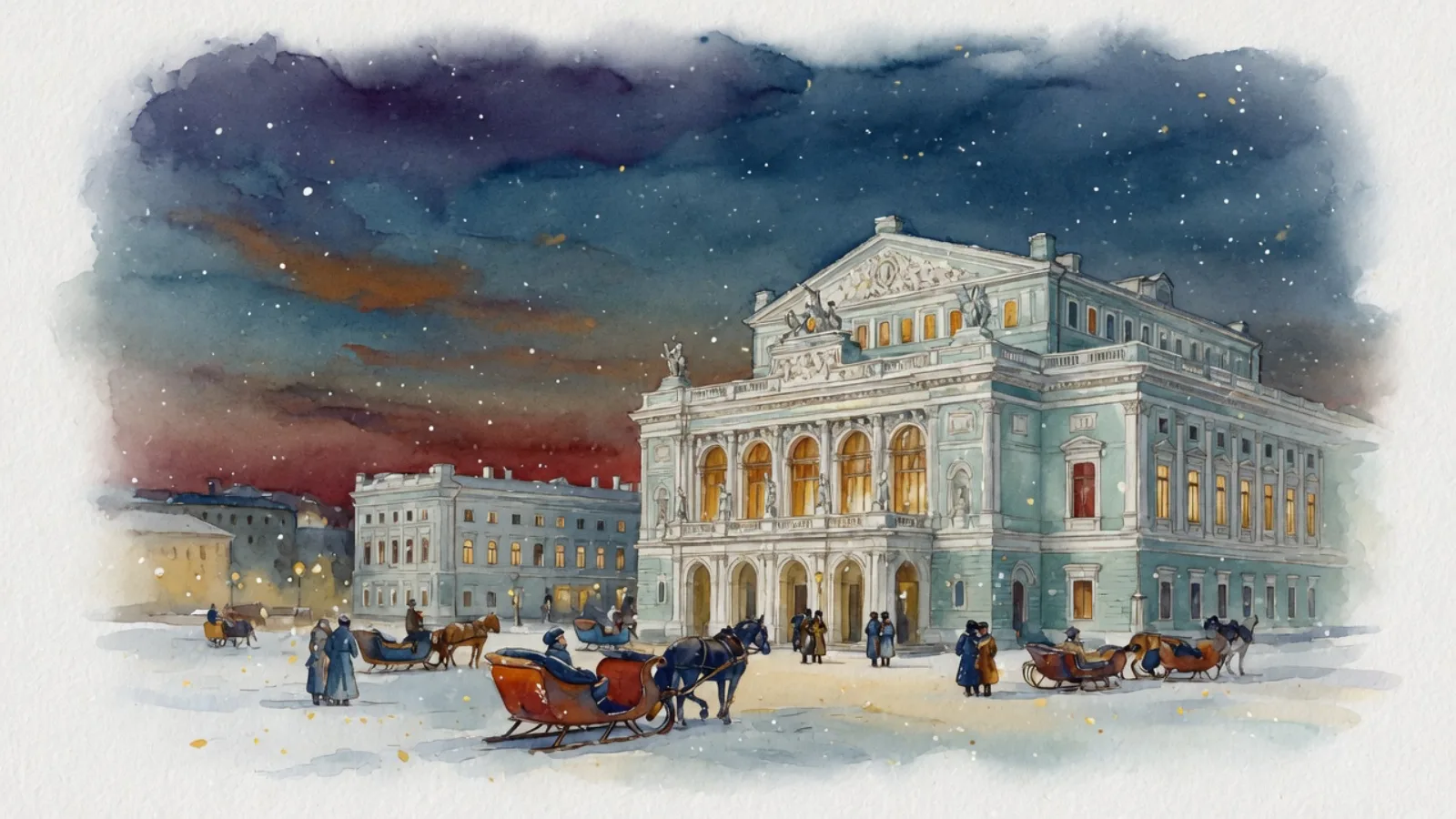
Tchaikovsky usually appears as the tormented Romantic: the disastrous marriage, the mysterious death, the symphonies soaked in tears. All of that is true. He was also a working composer who had to hit deadlines, negotiate fees, manage collaborators and critics, and divide his time between teaching, writing reviews, taking commissions and waiting on a patron.
This video happens to offer a cross-section of that working life. Its twenty-two works include orders from imperial theatres, a monthly magazine assignment, a march rushed out for a charity concert and a symphony dedicated to his patron. Read in the order the video plays them, they make up two ledgers at once: one for the music and one for the business.
The last chapter turns to the video itself, and to how a composer who died more than 130 years ago now supports a business built on free streaming.
A map of the whole video
Each line of the staff is a genre, each note is a track, and the horizontal axis is time in the video. Switch the coloring to read the same program two ways. Click a note to jump to its chapter.
Who ordered these three hours?
Each track is assigned to the original reason its work was written, weighted by running time. About 49% of the video comes from theatre orders, event commissions, publishers’ requests or dedications; about 46% from works he started on his own. The split is close to even. Each work is classified by its main origin, and some had more than one.
- Theatre commission32 min17%
- Event or institution31 min17%
- Publisher and market16 min9%
- Dedication or performer12 min6%
- Self-initiated85 min46%
- Origin unclear10 min5%
How he made a living
Tchaikovsky’s sources of income over his life, with the years the video’s works were written. Select a bar for details, or a note to jump to that work.
1878 was the turning point. Once von Meck’s stipend began, he gave up the teaching job that took most of his time; nearly half the works in this video were written after that.
Symphonies and fate
0:00 – 1:15One piece, sold twice1884
The program opens quietly. In 1884 Ivan Samarin, a veteran actor at Moscow’s Maly Theatre, celebrated fifty years on the stage, and Tchaikovsky wrote this Elegy for the jubilee. The title sounds mournful, but the music is closer to a warm look back over a long career.
Seven years later he dropped the same piece, unchanged, into his incidental music for a production of Hamlet, where it served as an entr’acte. That wasn’t laziness. For someone who lived off his work, a finished piece that had already proved it could move an audience was inventory, ready to be delivered again.
Listen forThe strings build in layers and the melody passes from section to section without hurry. It works as a tuning-up for the three hours ahead.
The first version is rarely the last1869–1880
The subject wasn’t his idea. In 1869 the composer Mily Balakirev suggested an overture on Romeo and Juliet and, in his letters, even sketched out its structure and keys. The premiere in 1870 barely registered.
Tchaikovsky didn’t let it go. He reworked it in 1870 and again in 1880, replacing the opening and rewriting the ending. The third version is the one orchestras play today, and it became the first of his orchestral works to hold a permanent place in the repertoire. Its love theme has since been borrowed by more films and commercials than anyone could count.
Listen forListen first for the hymn-like chorale in the woodwinds, then wait for the love theme in the English horn and violas. When it returns at the end, it has turned into a funeral.

An investor he never met1877–1878
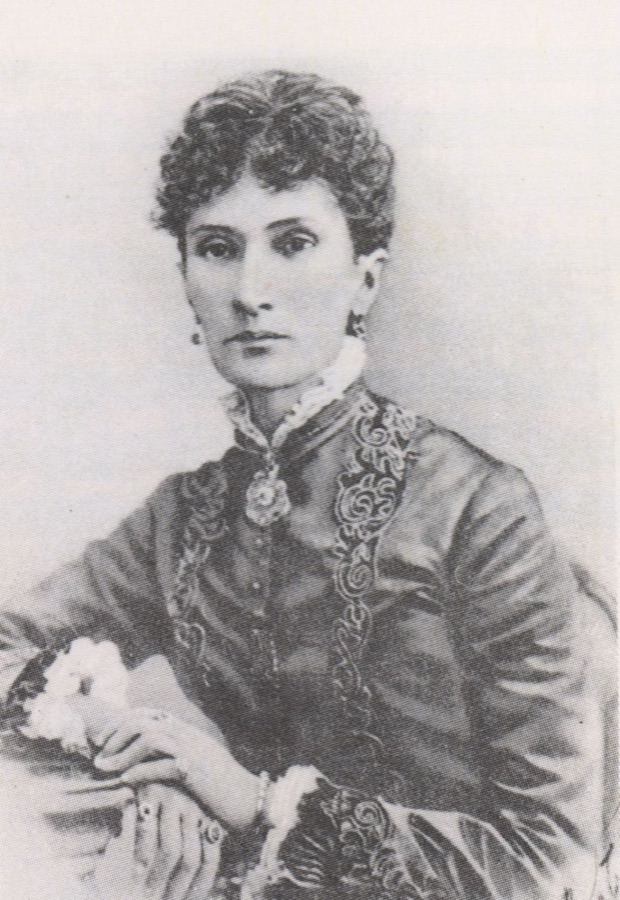
1877 was the most chaotic year of Tchaikovsky’s life. That summer he hastily married a former student, Antonina Milyukova, fled the marriage within weeks and came close to a breakdown. In the same year Nadezhda von Meck, the wealthy widow of a railway magnate, began paying him 6,000 rubles a year. They agreed never to meet, and over the next thirteen years exchanged more than 1,200 letters.
The money changed his business model. In 1878 he resigned from the Moscow Conservatory and went from a teacher who composed on the side to a full-time composer. He dedicated the Fourth Symphony to her, “to my best friend,” and explained in a letter that the second movement describes the melancholy that comes in the evening, when you sit alone and tired.
Listen forThe oboe solo at the start is the whole movement in miniature. It sounds like a folk song without words, handed from instrument to instrument and drifting further away each time.
Thirteen years at 6,000 rubles a year
At 6,000 rubles a year for thirteen years, von Meck gave him roughly 78,000 rubles in total. We don’t convert that into today’s money; the common conversion methods disagree too widely to be useful.
In 1888 Tsar Alexander III began paying him a lifetime pension of 3,000 rubles a year. By the time von Meck’s money stopped two years later he no longer depended on it financially, but the end of the correspondence hurt him deeply.
When a collaborator edits your product1876–1877
These variations for cello and orchestra were written for Wilhelm Fitzenhagen, a cellist and colleague at the Moscow Conservatory. “Rococo” points to eighteenth-century elegance; the piece is Tchaikovsky’s homage to Mozart’s era.
Before publication Fitzenhagen reordered the variations on his own and cut one of them. For most of the next century his version was the one performed everywhere; the composer’s original order wasn’t published until the mid-twentieth century. The video includes only the theme, under three minutes long.
Listen forAfter a brief orchestral introduction, the cello states the theme: neat, light and built in question-and-answer phrases, like a court minuet.
A waltz in five1893
In October 1893 Tchaikovsky conducted the premiere of his Sixth Symphony in St. Petersburg. The audience was polite and reserved. Nine days later he was dead at fifty-three. The official cause was cholera, though historians still argue about it.
Since then the symphony has been heard as a farewell letter, and its title, “Pathétique,” has become part of the composer’s image. The second movement chosen for the video, though, is the brightest part of the work. It sounds like a waltz but is written in five beats to the bar instead of three.
Listen forTry counting along: one, two, three, four, five. The dance always seems to take an extra half-step, a slight limp inside the elegance. That is the charm of the movement.
The founder goes on the road1888
- 0:56:07Symphony No. 5, Op. 64 – I. Andante – Allegro con anima
- 1:09:54Symphony No. 5, Op. 64 – III. Valse
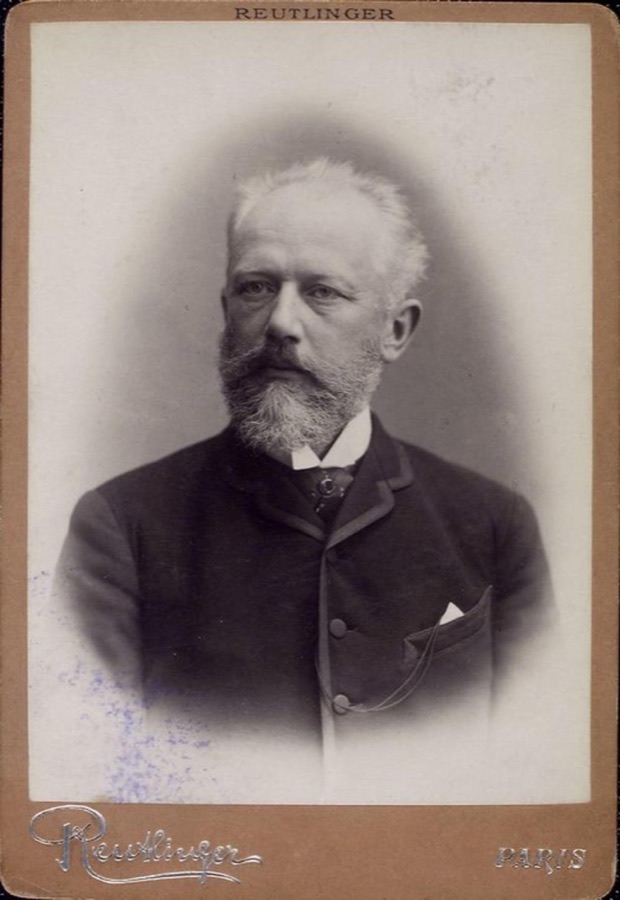
The Fifth Symphony opens with a dark, slow melody in the low clarinets. That motto returns in all four movements, like a thought that won’t go away, and is often called the “fate” theme. The third movement is a genuine waltz, and near its end the motto slips back in, quietly, in the low clarinets and bassoons.
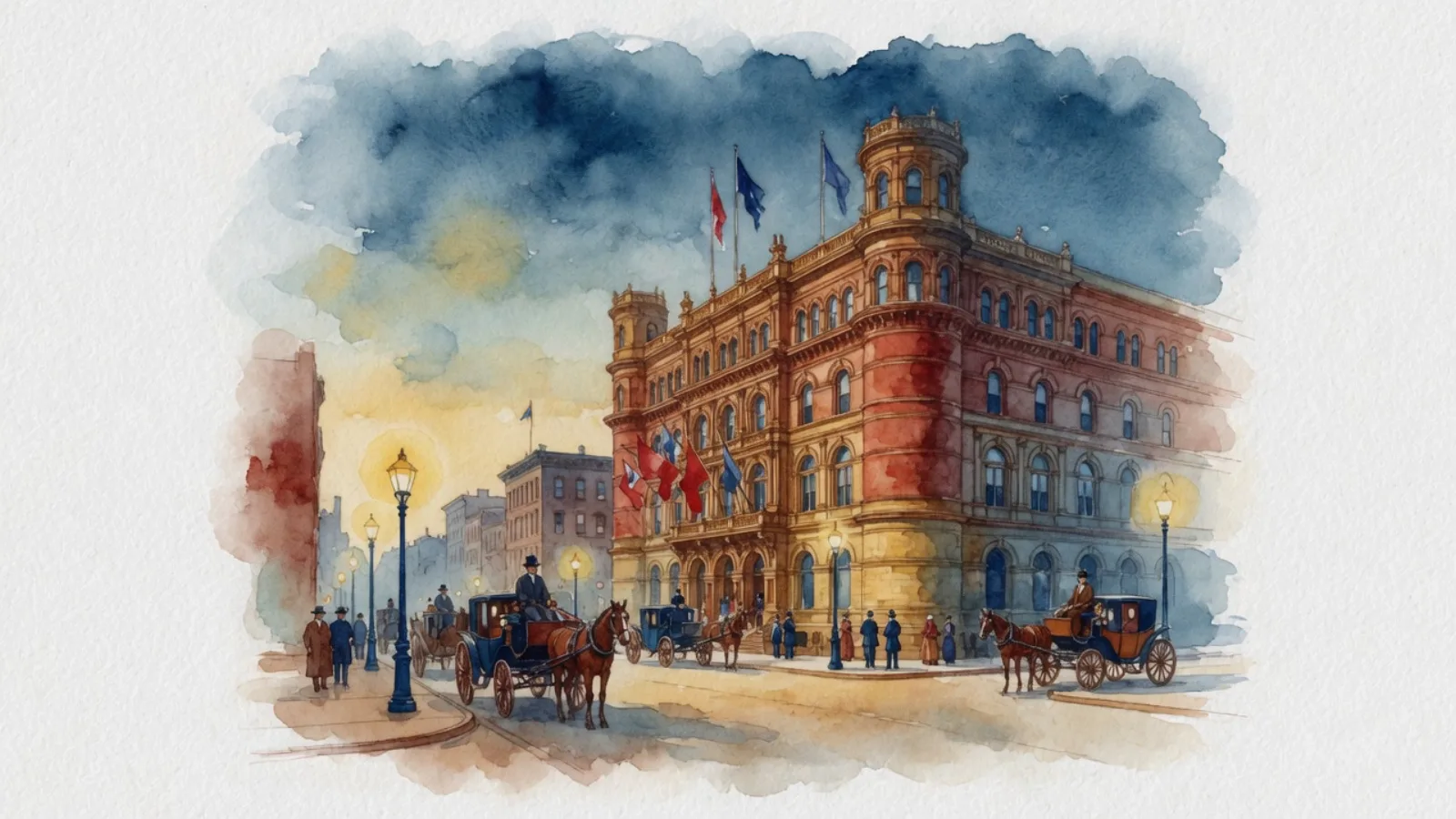
Around this time Tchaikovsky began conducting his own music, touring Europe from 1888, and in 1891 he crossed to the United States for the opening festival of New York’s Music Hall, soon renamed Carnegie Hall. After the Fifth’s premiere he decided it was a failure. Only after a successful performance in Hamburg a few months later did he change his mind.
Listen forAt the end of the 1:09:54 section, listen to the low woodwinds. That’s the symphony’s opening theme coming back, now in three-four time.
Soloists and the stage
1:15 – 1:44
A bad review is not the final verdict1878
After the collapse of his marriage, Tchaikovsky recovered at Clarens on Lake Geneva and, working with the young violinist Iosif Kotek, finished this concerto in about a month. He was unhappy with the original slow movement and replaced it with this Canzonetta; the discarded movement became the violin piece Méditation.
The intended soloist, the celebrated violinist Leopold Auer, at first judged the concerto unplayable. The premiere slipped to 1881 in Vienna, with Adolph Brodsky as soloist, and the critic Eduard Hanslick wrote one of the most savage reviews in music history, calling it music that “stinks to the ear.” Today it is one of the most performed violin concertos in the world.
Listen forThe soloist plays with a mute, so the sound comes through as if behind a veil. The woodwinds sing an opening phrase, the violin takes it up, and the whole movement stays at a murmur.
A theatre order1873
The Snow Maiden is Alexander Ostrovsky’s fairy-tale play about a daughter of winter who falls in love with a mortal and melts in the sun. In 1873 Moscow’s Imperial Theatres commissioned Tchaikovsky to write music for the production.
It was the biggest theatre order of his early career: a fixed deadline, a company and orchestra, and a set run of performances. He later counted it among his favorite works.
Listen forThis is the most theatrical stretch of the program: short motifs and sudden turns, music making room for lines you can’t hear.
Launch in another market1874–1875
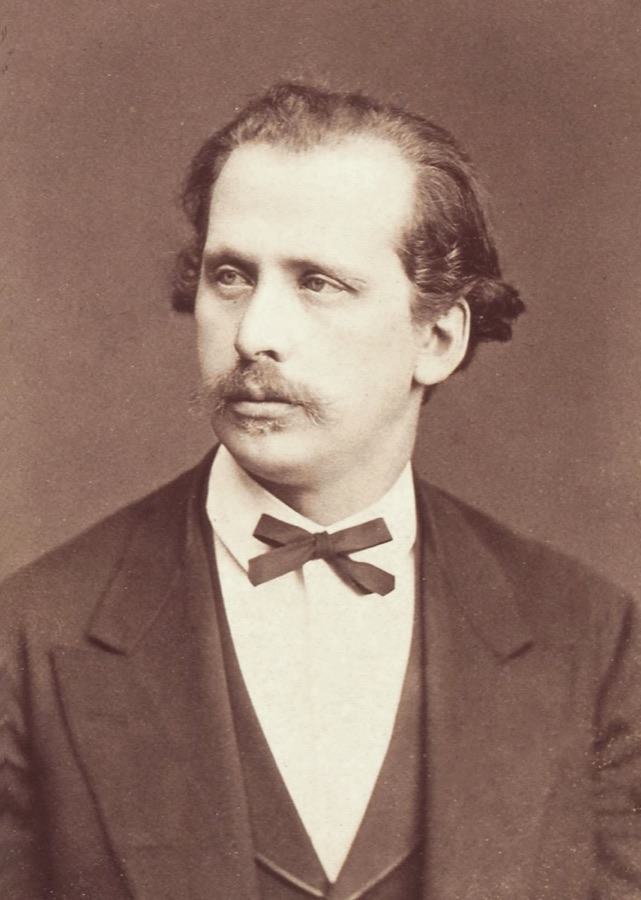
Around Christmas Eve 1874, Tchaikovsky played his newly finished First Piano Concerto for Nikolai Rubinstein, his mentor and boss. By Tchaikovsky’s later account, Rubinstein tore it apart as vulgar and unplayable.
He refused to change a note and sent the concerto to the German pianist Hans von Bülow instead. In October 1875 it premiered in Boston, to great success. Rubinstein later admitted his mistake and took the concerto into his own repertoire.
Listen forA flute opens with a simple tune and the piano answers. The middle section suddenly races ahead; it is said to quote a French song associated with the singer Désirée Artôt, to whom he was briefly engaged as a young man.
Five rejections, five reversals
At least five works in this video were turned down the first time they were judged. In one case the harshest judge was the composer himself.
| Work | Who said no | The verdict | What happened next |
|---|---|---|---|
| Piano Concerto No. 11874 | Nikolai Rubinstein | Vulgar, unplayable, barely a page worth keeping | Premiered in Boston by von Bülow in 1875; Rubinstein later played it himself |
| Violin Concerto1878–1881 | Violinist Leopold Auer; critic Eduard Hanslick | Unplayable; music that “stinks to the ear” | One of the most performed violin concertos; Auer later played and taught it |
| Swan Lake1877 | Moscow premiere audience and critics | Weak choreography, a cool reception | The 1895 production made it the definition of ballet |
| Symphony No. 51888 | The composer himself | Convinced in his letters that it had failed | Changed his mind after a successful Hamburg performance in 1889 |
| The Nutcracker1892 | Premiere reviews | Mixed at best | Became a Christmas fixture after Balanchine’s 1954 production |
A thank-you note in six parts1890
In 1890, while buried in an opera in Florence, Tchaikovsky sketched a string sextet he called Souvenir de Florence. He dedicated it to the St. Petersburg Chamber Music Society, in return for the honorary membership it had given him.
The title is Italian, but the music keeps turning Russian. The third movement has an unmistakable folk flavor, its dance rhythms tossed among the six instruments.
Listen forSix strings: two violins, two violas, two cellos. The extra middle and low voices, beyond a standard quartet, give the sound unusual weight.
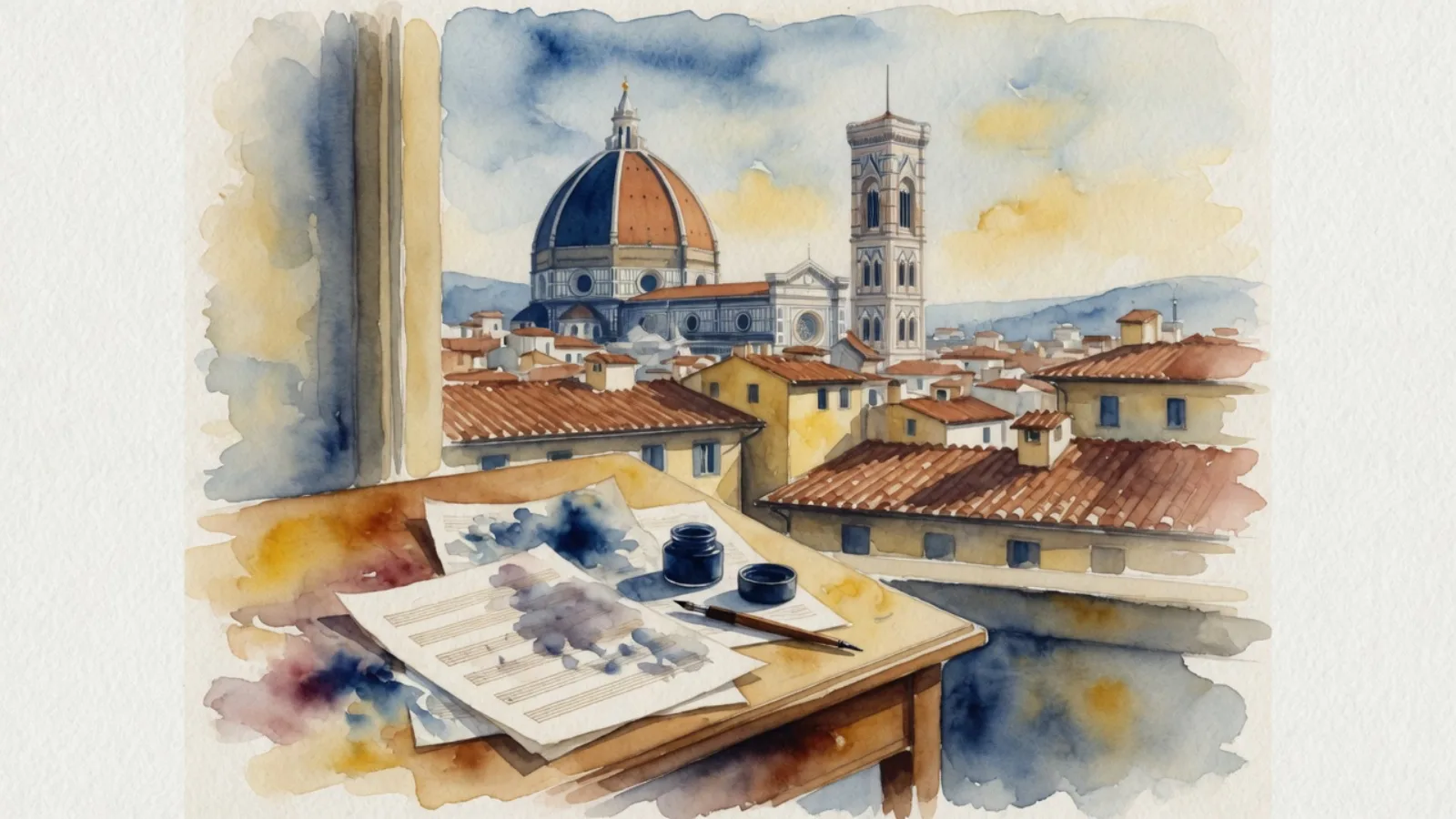
An opera in forty-four days1890
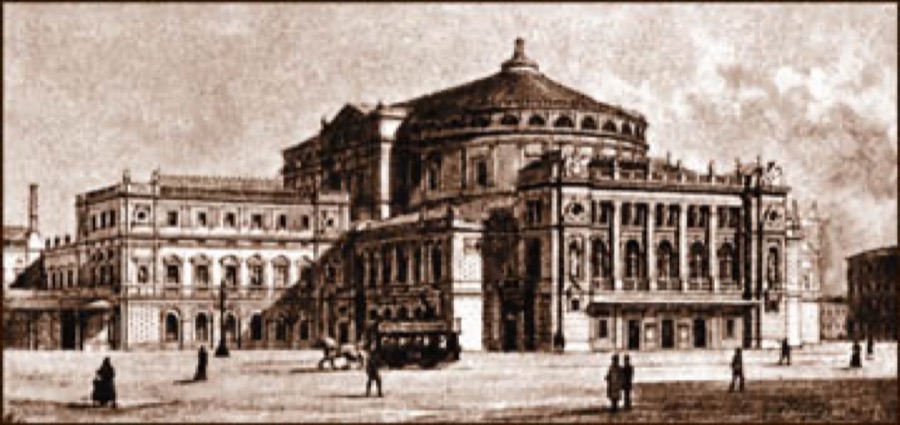
The Queen of Spades was commissioned by the Imperial Theatres and adapted from Pushkin’s story about a young officer driven mad by his hunt for an old countess’s secret to winning at cards. His brother Modest wrote the libretto. To concentrate, Tchaikovsky left Russia for Florence and finished the draft score in about forty-four days.
The introduction lasts four or five minutes, yet sets up the whole opera: a storyteller’s narration, the countess’s sinister motif, and finally the hero’s doomed love. The opera premiered that December at the Mariinsky Theatre in St. Petersburg.
Listen forListen for the short three-note motif in the brass. It stands for the secret of the three cards and will haunt the hero for the rest of the opera.
Ballets and seasons
1:44 – 2:18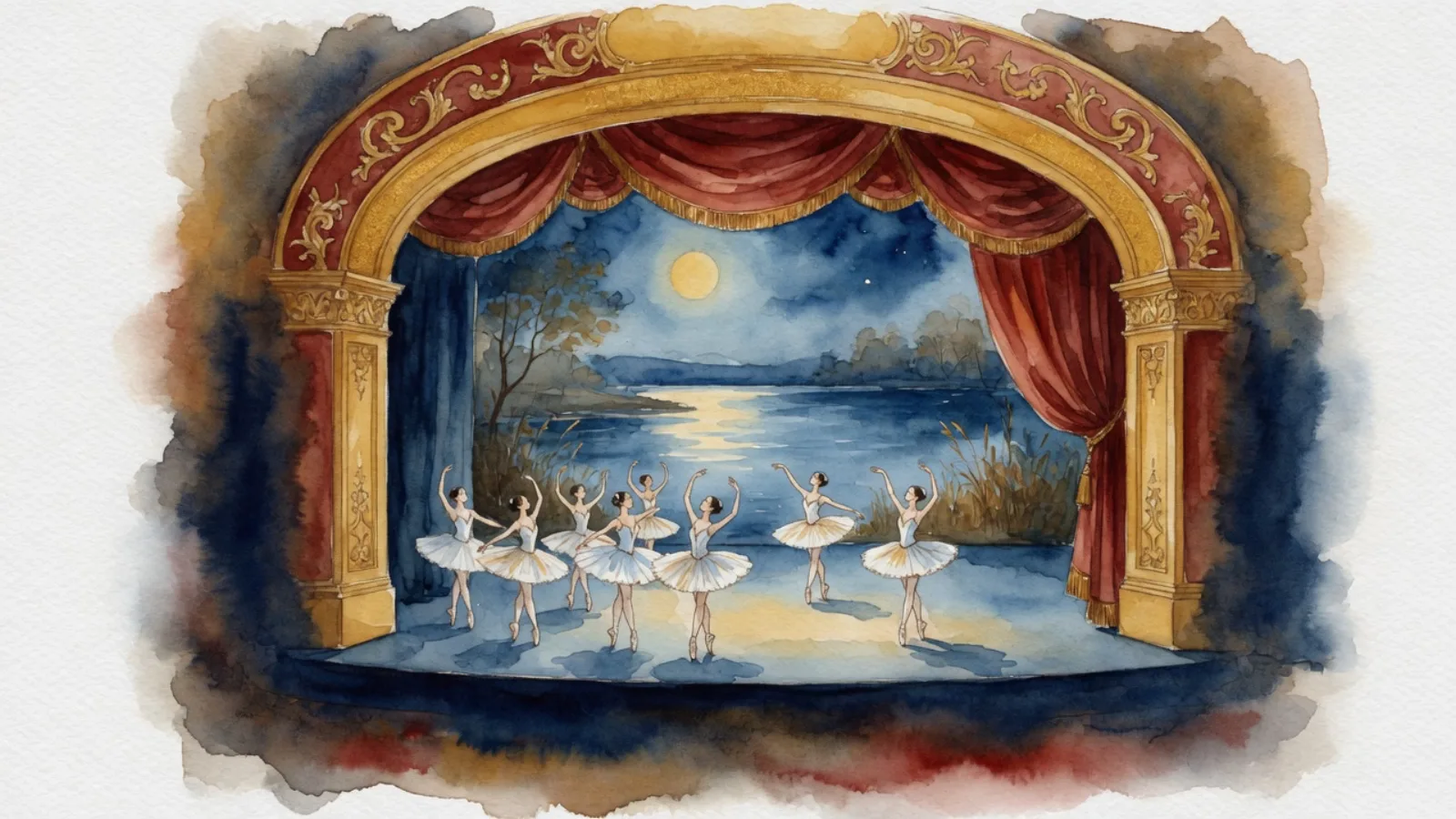
Same product, new delivery1875–1895
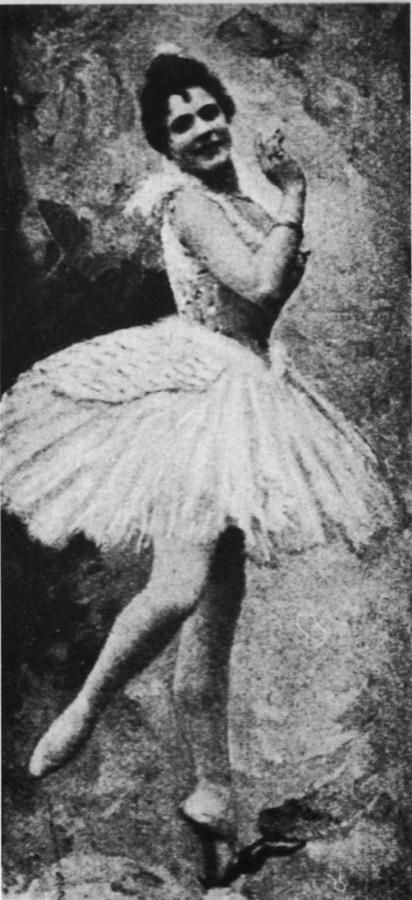
Swan Lake was commissioned by Moscow’s Bolshoi Theatre and was Tchaikovsky’s first ballet. The 1877 premiere had mediocre choreography and cut or altered parts of the score; the reception was cool, and the ballet came and went from the stage.
What made it a classic came after his death. In 1895 the choreographers Marius Petipa and Lev Ivanov staged a new production in St. Petersburg, starring the Italian ballerina Pierina Legnani. The music was essentially the same; the choreography, the cast and the theatre had changed. Most productions today descend from that version.
Listen forListen to the two excerpts side by side: the soft symmetry of the lakeside scene in Act II, then the castanets and syncopation of the Spanish Dance at the Act III ball. Same ballet, two different worlds.
A subscription with monthly deadlines1875–1876
In late 1875, Nikolai Bernard, publisher of the St. Petersburg music monthly Nouvellist, asked Tchaikovsky for a short piano piece every month, to be printed in the magazine with an epigraph from a Russian poet. After twelve issues, the set became The Seasons.
It was written for amateur pianists at home: not difficult, with tunes that stick. June is a Venetian-style barcarolle; October’s Autumn Song is the saddest piece in the cycle. The Seasons became his most popular piano work.
Listen forIn June, the middle section suddenly brightens, as if the boat had rowed into the sun. In October, the melody passes between a high and a low voice, like someone talking to himself.
A secret instrument1892
- 2:03:58The Nutcracker, Op. 71 – No. 14 Pas de deux
- 2:08:53The Nutcracker, Op. 71 – No. 14 Pas de deux
- 2:11:13The Nutcracker, Op. 71 – No. 13 Waltz of the Flowers
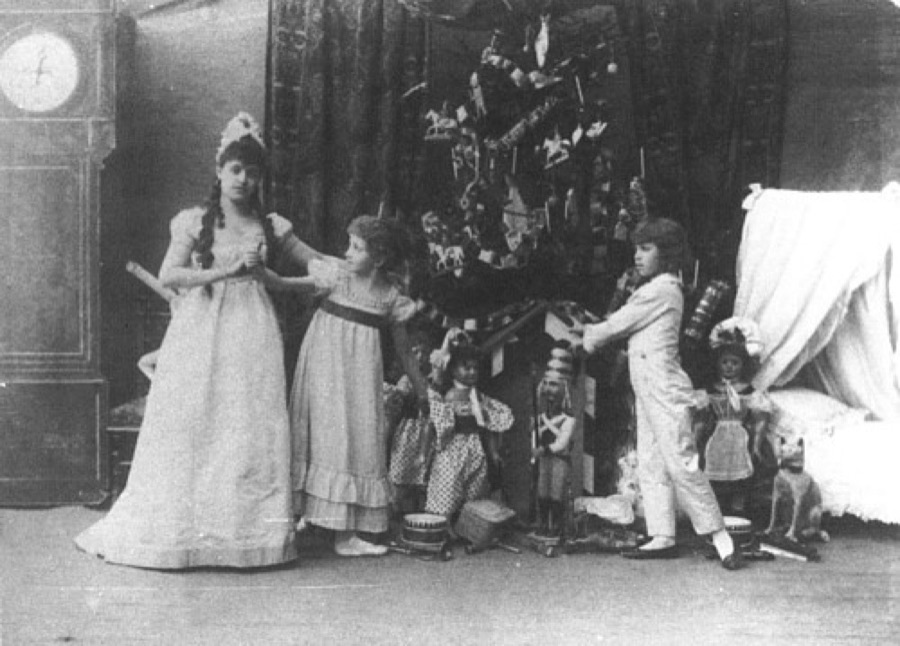
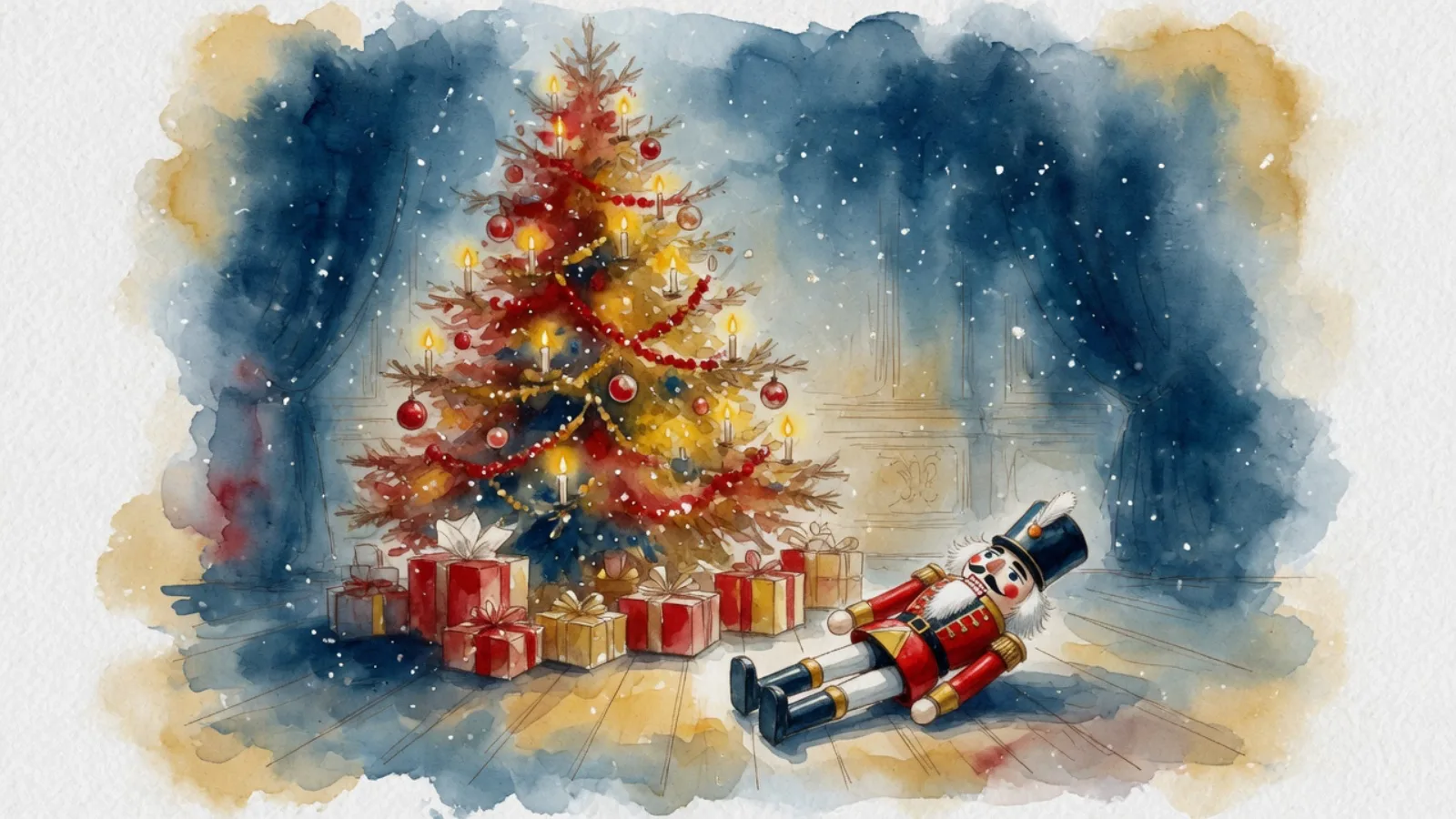
The Nutcracker, commissioned by the Imperial Theatres, was Tchaikovsky’s last ballet. It premiered in St. Petersburg in December 1892 on a double bill with his one-act opera Iolanta. For the Sugar Plum Fairy’s dance he had found a new instrument in Paris, the celesta, and asked his publisher to keep it quiet so that other composers wouldn’t use it first.
The first reviews were mixed. More than sixty years later, George Balanchine’s 1954 production for New York City Ballet set it on the path to becoming an American Christmas institution. For many ballet companies today, the annual Nutcracker run is among their most important sources of ticket revenue.
Listen forThe pas de deux opens with a cello melody that simply walks down a scale, one note at a time, until the full orchestra lifts it to a climax. The video’s track list includes the pas de deux twice, split across two segments.
Chamber music
2:18 – 2:52Two movements of uncertain origin
- 2:18:04Four Movements for String Quartet – I. Allegretto
- 2:19:29Four Movements for String Quartet – III. Andante molto
The video’s description labels these as the first and third of “Four Movements for String Quartet.” They are not part of Tchaikovsky’s three numbered string quartets, and the description gives no further source, so this page doesn’t guess at their background.
Together they last under three and a half minutes, the shortest stretch of the program, and serve as a prelude to the Andante cantabile that follows.
Listen forOne quick, one slow: a bright Allegretto in E major, then an Andante in G major that sounds like a hymn for four voices.
The concert he couldn’t afford an orchestra for1871
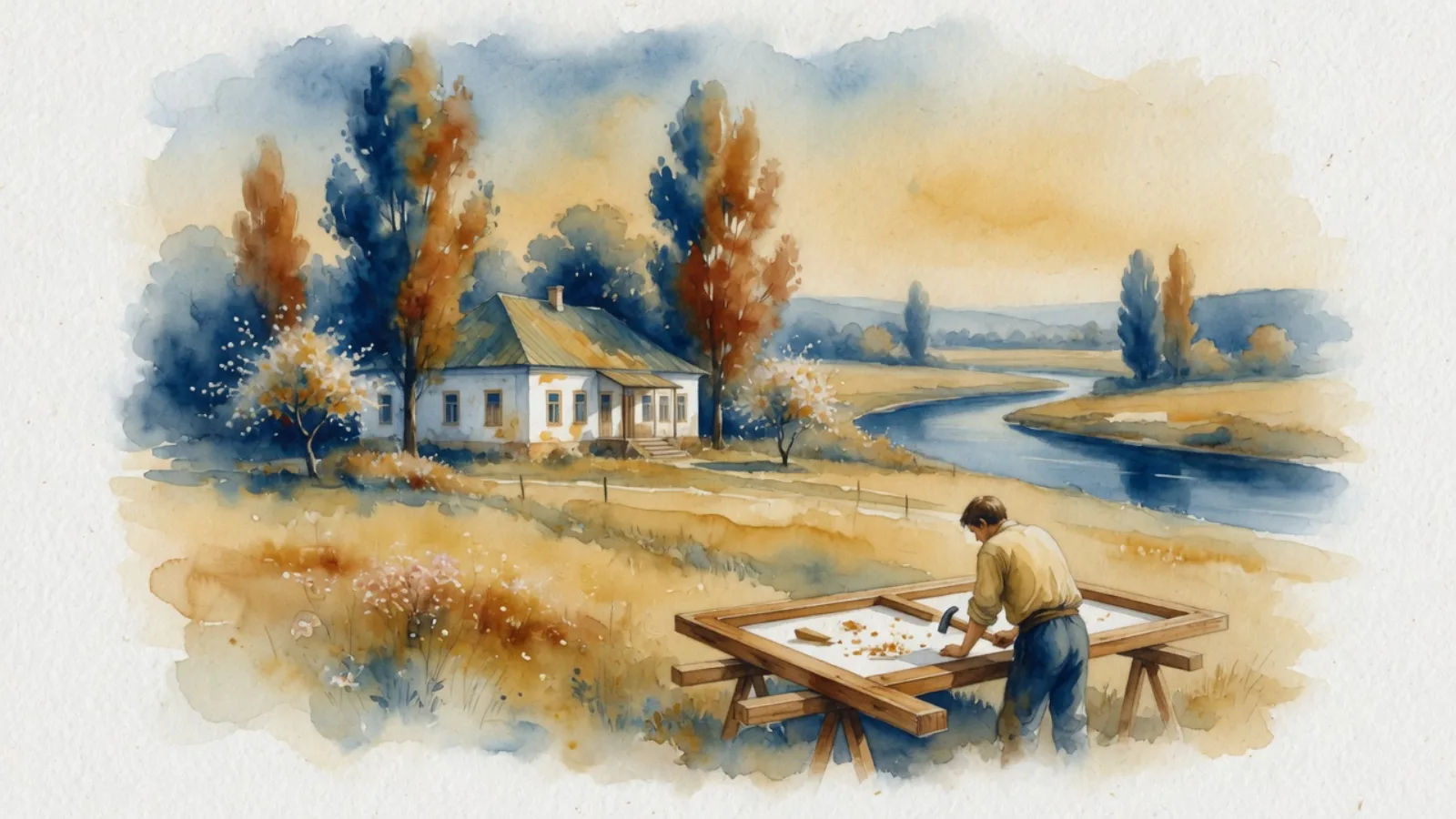
In the spring of 1871, at Rubinstein’s suggestion, Tchaikovsky planned a concert of his own works in Moscow. An orchestra was too expensive, so he wrote a string quartet that needed only four players.
The slow movement’s melody came from two summers earlier. Staying at his sister’s estate at Kamenka in Ukraine, he heard a workman singing a folk song and wrote it down. In 1876 Leo Tolstoy heard this movement at a concert arranged in his honor and wept, sitting beside the composer. Years later Tchaikovsky wrote in his diary that it was one of the proudest moments of his life.
Listen forThe first violin, muted, sings the folk tune while the meter sways between two and three beats, a hallmark of Russian folk song.
Big works build reputation, small ones pay the bills1878
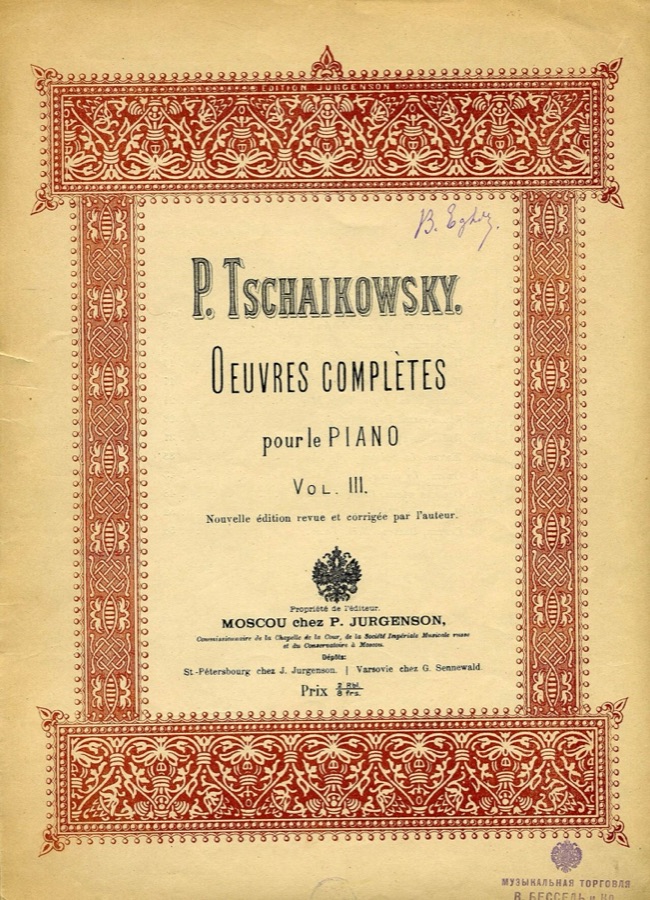
This Song without Words comes from a set of twelve piano pieces published in 1878, the same year he finished the Fourth Symphony, the Violin Concerto and the opera Eugene Onegin.
Tchaikovsky wrote a great many short piano pieces, most of them published by his longtime Moscow publisher, Pyotr Jurgenson. Nearly every middle-class home in the nineteenth century had a piano, and approachable pieces like these were steady sellers in the sheet-music shops.
Listen forThe right hand sings, while the left accompanies like a guitar or harp. It’s easy to picture someone singing softly in a parlor.
Choosing the launch venue1877–1879
In the spring of 1877, the singer Elizaveta Lavrovskaya suggested he turn Pushkin’s verse novel Eugene Onegin into an opera: a country girl, Tatiana, writes a love letter to the aloof Onegin, who politely turns her down. At almost the same moment, Tchaikovsky received a love letter from his former student Milyukova.
Worried that the star singers and spectacle of the Imperial stage would ruin such an intimate work, he insisted that students of the Moscow Conservatory give the premiere, in 1879. Act II opens with a waltz at Tatiana’s name-day party, where the guests’ gossip is woven into the dance, and where Onegin and his friend Lensky begin the quarrel that ends in a duel.
Listen forThe rising, sighing motif in the introduction belongs to Tatiana. The waltz is a whole country ball, festive on the surface with trouble underneath.
Compound interest on a melody1869 → today
This Andante cantabile in B-flat major is the string-orchestra version of the quartet movement heard twenty minutes earlier, at 2:21:30. The same folk melody, played by four musicians there, is taken up here by a full string section.
Its path can be drawn as a chain: a workman’s song in 1869, the quartet in 1871, the 1876 concert that made Tolstoy weep, the composer’s own 1888 arrangement for cello and strings, and the string-orchestra version in this video.
Listen forIf you have time, jump back to 2:21:30 for a minute and then return here. The quartet version is intimate and transparent, like a whisper; the orchestral version is fuller and warmer, like a choir.
How many times the same music was delivered
Four trails you can follow inside this video. Each arrow is the same material delivered again, to a new occasion or a new set of performers.
- 1869A workman’s folk song
- 1871String Quartet No. 1, slow movement
- 1876The concert that made Tolstoy weep
- 1888Version for cello and strings
- TodayString-orchestra version in this video
- 1878Violin Concerto’s original slow movement
- 1878Replaced
- 1878Reborn as Méditation
- 1884Elegy for the Samarin jubilee
- 1891Entr’acte in Hamlet
- TodayThe video’s opening track
- 1875One piece a month for a magazine
- 1876Twelve issues become The Seasons
- TodayJune and October in this video
A waltz for the parlor1882
This Valse sentimentale comes from a set of six piano pieces published in 1882, also aimed at the home market. It was later arranged for violin, cello and many other instruments, and those versions traveled even further than the original.
Listen forA waltz in a minor key carries a built-in contradiction: the steps keep turning while the melody sighs.
Waltz and march
2:52 – 3:06You can’t predict the hit1880
In the autumn of 1880 Tchaikovsky wrote two works side by side: the 1812 Overture, commissioned for the All-Russian Industrial and Art Exhibition in Moscow, and this Serenade for Strings. He told von Meck that the overture was loud and noisy and written without much warmth, while the serenade came from inner compulsion.
The irony is that the overture he cared little for became one of his most famous works; its cannons and bells are still a fixture of outdoor concerts.
Listen forNotice how the tune passes from the first violins to the other sections, and how the movement dissolves at the end without a single accent.
A march for wounded soldiers1876
In 1876 war broke out between Serbia and the Ottoman Empire. Moscow held a benefit concert for wounded Serbian soldiers, and Tchaikovsky wrote Marche slave for it; Nikolai Rubinstein conducted the premiere.
The march quotes several Serbian folk songs and, later on, the Russian imperial anthem, “God Save the Tsar.” It begins as a dark funeral march and ends in loud triumph, closing three hours of music.
Listen forCompare the Serbian folk tune in the bassoons and violas at the start with the anthem blared by the brass at the end. That contrast is the whole drama of the piece.

The business of this video
Tchaikovsky died in 1893, and his compositions have long been in the public domain: anyone may perform, record or arrange them for free. What is protected is a particular orchestra’s performance on a particular day, that is, the recording. The video’s description says all its audio and visual material was produced and is owned by the music company Cugate AG, and most of the performers are orchestras from St. Petersburg and Tbilisi.
Break the chain apart and every link makes someone money. Each one also matches something Tchaikovsky himself did.
- CompositionTwenty-two works written between 1869 and 1893.Today: public domain, a free raw material
- Performance and recordingNine orchestras and soloists, most from St. Petersburg.Today: the recording rights belong to the label
- Sequencing29 tracks, about three hours, a quiet opening and a loud finish.Today: track selection and order are product design
- PackagingThe description pitches it as background music for study, relaxation or focus.Today: what’s sold is a use case
- DistributionFree to watch on YouTube, with links to Spotify playlists and the label’s own app.Today: free content funnels into owned channels
Every one of these steps appears in Tchaikovsky’s own career. Reworking one folk melody again and again is reuse. Writing approachable pieces for the home piano market is designing a product around a use case. Publishing in monthly installments through someone else’s magazine is distribution. Recording rights have replaced sheet-music rights, and YouTube has replaced the music magazine, but the shape of the business is much the same.
One detail is easy to miss: the opening track. Few people listen to a three-hour video from start to finish. The calculator below shows why the first piece on the program tends to be the one heard most.
How long does the average view last?
The video has 6,088,767 views, the public figure on its page. The channel doesn’t publish average listening time, so choose your own assumption.
If the average session is around fifteen minutes, most listeners hear only the opening Elegy and some of Romeo and Juliet. Putting a calm, unobtrusive string piece first is a sensible product decision for a video meant to play in the background while you study. It is the same question Tchaikovsky asked when he wrote The Seasons for magazine readers: where will people be listening, and in what frame of mind?
All the lessons
The 20 lessons in the order they appear. Select one to return to its chapter.
- Inventory can be reusedElegy for Strings
- Iteration beats getting it right the first timeRomeo and Juliet
- The best funding buys back timeSymphony No. 4
- Whoever controls the final cut controls the productRococo Variations
- The story changes the priceSymphony No. 6
- Don’t trust your own verdict on your workSymphony No. 5
- Find someone willing to play itViolin Concerto
- Commissions are scaffoldingThe Snow Maiden
- If the home market says no, try anotherPiano Concerto No. 1
- Relationships are assetsSouvenir de Florence
- Speed comes from isolationThe Queen of Spades
- Failure can be a packaging problemSwan Lake
- A subscription forced a collection into beingThe Seasons
- Guard your edge, be patient with the long tailThe Nutcracker
- Constraints make good productsString Quartet No. 1
- Build a product line with a high end and a low endOp. 40
- Match the launch to the productEugene Onegin
- One asset, many formatsAndante cantabile for strings
- Ship both kindsSerenade for Strings
- Current events are a distribution channelMarche slave
About this page
This is an independent companion to the Essential Classics video “Best of Tchaikovsky – Classical Music Gems” and is not affiliated with the channel or with the rights holder, Cugate AG. The page contains no audio; every timestamp links back to the original video. Track list, timestamps, view count and performer list come from the video description, which does not say who plays each track, so no attributions are made here. The last track is estimated at about ten minutes, so the total running time is approximate.
The “who paid” classification and the business lessons are this page’s interpretation of the historical record, not part of the video. Ruble amounts follow commonly cited figures and are not converted into today’s money.
Illustrations and photographs
The watercolors are original illustrations made for this page; they depict scenes, not portraits of real people. Historical images are public-domain works from Wikimedia Commons, linked in each caption.
Sources
Dates, premieres, commissions and dedications follow the catalogue of Tchaikovsky’s works and standard biographies. Tchaikovsky’s own views are paraphrased from his letters to Nadezhda von Meck and his diaries.